

Do you ever wonder where your money goes at the end of the month? You paid your bills, bought groceries, covered your everyday expenses, and treated yourself a few times. However, there is little left to save. The issue may not be how much money you earn. It may be the small, recurring expenses and spending habits quietly taking money away from your financial goals.
These expenses are often called money leaks. Money leaks refers to purchases, subscriptions, fees, and habits that gradually drain your budget without always providing enough value in return.
While a single unnecessary purchase may not seem significant, the spending habits repeated can add up over time. Luckily, identifying these money leaks gives you an opportunity to take control of your spending, create more financial breathing room, and put your money toward things that matter most.
Let’s explore the most common money leaks and how you can combat them.
1. Unused and Unnecessary Subscriptions
Subscriptions are one of the easiest expenses to overlook because they often renew automatically. Streaming platforms, music services, cloud storage, gaming memberships, beauty boxes, and premium apps can quietly charge your account every month. The biggest issue is not necessarily having subscriptions. It is paying for services you rarely use or no longer need.
For example, three subscriptions costing $10 each per month add up to $360 a year. That is money you could have directed toward savings, debt repayment, or another financial priority.
How to combat this money leak:
- Review your bank and credit card statements for recurring charges.
- Make a list of every active subscription and its monthly cost.
- Cancel services you rarely use or have forgotten about.
- Consider rotating streaming services instead of paying for several simultaneously.
- Set a monthly reminder to review your subscriptions.
Before renewing a subscription, ask yourself: Would I choose to pay for this service again today? If the answer is no, it may be time to cancel.
2. Impulse Purchases and Unplanned Shopping
Impulse spending happens when you purchase something without planning for it. It might be a discounted outfit, a trending product, a new beauty item, or something that catches your attention while browsing online. These purchases can feel harmless in the moment, especially when the individual price is low. If you are a woman like myself you make a thousand excuses on why you have to have it and end up telling yourself “oh l’m just a girl”. However, frequent impulse purchases can compete with more important financial goals.
Sales and limited-time offers can also create a sense of urgency, encouraging you to spend money simply because an item appears to be a good deal.
How to combat this money leak:
- Introduce a 24-hour waiting period before nonessential purchases.
- Remove saved payment details from shopping websites.
- Unsubscribe from promotional emails that encourage unnecessary spending.
- Create a shopping list and stick to it.
- Set a realistic personal spending allowance for nonessential purchases.
Remember, “girl math” is not always accurate. Saving money on an item you did not need is not the same as saving money. Sometimes, the best financial decision is not to purchase it at all.
3. Takeout, Food Delivery, and Frequent Dining Out
Convenience makes our lives easier can be expensive. Ordering food after a long day, purchasing lunch at work, or stopping for coffee every morning can become a regular part of your routine. The challenge is that food spending often happens in small transactions. A coffee here, a delivery order there, and a few restaurant meals throughout the week may not seem like much individually. However, frequent convenience spending can make it harder to stay within your grocery and dining budget especially when purchased through food service apps like Uber Eats or Door dash. After adding service fees, taxes and tips there is a possibility that the original price may now be doubled.
How to combat this money leak:
- Plan meals before the week begins.
- Prepare lunches and snacks at home when practical.
- Keep easy-to-prepare meals available for busy days.
- Set a weekly allowance for takeout and dining out.
- Review food delivery fees, service charges, and tips alongside the cost of your meal.
Remember, you do not have to eliminate restaurants or your favorite coffee. Instead, be intentional about how often you spend on convenience and make room for those purchases in your budget.
4. Small Everyday Purchases That Add Up
As we have come to realize your money leaks are not large expenses. They are the small purchases you barely think about. Examples include, vending machine snacks, convenience-store drinks, extra beauty products, inexpensive online finds, and unplanned trips to the store. We often overlook the impact these purchases have on our budget because they often cost only a few dollars which makes it easy to underestimate their cumulative impact.
Consider spending $7 a day on small, unplanned purchases. That amounts to approximately $210 a month or $2,555 over a year if the habit continues every day. Not every small purchase is wasteful, but spending without awareness can make it difficult to understand where your money is going.
How to combat this money leak:
- Track small purchases for 30 days.
- Identify the purchases you make most frequently.
- Set a weekly limit for discretionary spending.
- Carry snacks or drinks from home when convenient.
- Before buying something, ask whether it is planned, necessary, or simply an impulse.
The goal is not to feel guilty about every purchase. It is to recognize patterns and decide which expenses deserve a place in your budget.
5. Bank Fees, Late Payments, and Interest Charges
Some money leaks happen because of missed deadlines or account conditions rather than shopping habits. Late payment fees, overdraft fees, account maintenance charges, and credit card interest can gradually increase your expenses without adding value to your life.
For example, repeatedly paying bills late may mean spending money on avoidable fees instead of reducing your debt or building your savings. Credit card interest can be particularly costly when balances remain unpaid from month to month.
How to combat this money leak:
- Set up payment reminders for bills and credit cards.
- Consider automatic payments for predictable bills, provided sufficient funds are available.
- Review your bank account for recurring fees.
- Ask your bank whether a lower-fee account is available.
- Understand your credit card’s interest rate and payment terms.
- If you carry credit card debt, create a realistic repayment plan and prioritize at least the required minimum payments.
If you are struggling to pay every bill on time, start by organizing your due dates and prioritizing essential expenses. A clear bill calendar can help you plan ahead and avoid preventable charges.
6. Buying Things You Already Own
Another common money leak is purchasing duplicates of items you already have. Over consumption is another habit that affects your budget. This can include adding another trending moisturizer to your self care routine while several are sitting in a drawer, replacing pantry items you forgot you had, or purchasing clothing similar to what is already in your closet because of the need to have a new outfit for every outing. Things like this often happens when purchases are made without checking what you own first.
Over time, duplicate purchases can waste money, create clutter, and make it harder to distinguish between what you need and what you simply want.
How to combat this money leak:
- Take inventory of your pantry, bathroom, wardrobe, and household supplies.
- Keep a running list of items that genuinely need replacing.
- Use products you already own before purchasing alternatives.
- Shop your closet or storage spaces before shopping online.
- Avoid buying in bulk unless the quantity makes sense for your needs and the items will be used before expiring.
A simple inventory can help you get more value from money you have already spent.
7. Lifestyle Inflation and Spending to Keep Up
As your income increases, it can be tempting to increase your spending at the same pace. You may upgrade your phone, move into a more expensive home, purchase a newer vehicle, or spend more on dining, clothing, and entertainment. Improving your lifestyle is not inherently a problem. The risk arises when every increase in income is matched by an increase in expenses, leaving little additional money for savings or other goals. In today’s day and age of social media we can often feel the need to always have more due to other people’s purchases and lifestyles that appears as the standard you should maintain.
How to combat this money leak:
- Decide how you will use additional income before spending it.
- Direct a portion of raises, bonuses, or extra earnings toward savings or debt repayment.
- Identify which lifestyle upgrades genuinely improve your quality of life.
- Avoid making purchases simply to match someone else’s lifestyle.
- Revisit your financial goals before committing to new recurring expenses.
You do not have to avoid every upgrade. The objective is to make sure your lifestyle supports your financial priorities rather than quietly working against them.
How to Find the Money Leaks in Your Own Budget
Understanding common money leaks is a useful starting point, but your spending habits are unique. The expenses that affect someone else’s budget may not be the same ones affecting yours. To discover where your money is going, start with a simple financial review.
Step 1: Review your transactions.
Look through the last 30 days of bank and credit card statements. Include recurring charges, shopping purchases, food spending, fees, and small everyday transactions.
Step 2: Separate your expenses into categories.
Group your spending into categories such as housing, utilities, groceries, subscriptions, transportation, dining out, shopping, debt payments, and entertainment.
Step 3: Identify spending patterns.
Look for expenses that repeat frequently, purchases you regret, services you rarely use, or categories where spending regularly exceeds your expectations.
Step 4: Choose your top three money leaks.
You do not need to change every spending habit at once. Start with the three expenses you can realistically reduce without compromising essential needs.
Step 5: Give the money a new purpose.
Decide what you will do with the money you free up. You could build an emergency fund, pay down debt, prepare for upcoming expenses, or work toward a personal savings goal.
Step 6: Review your progress monthly.
Check whether your changes are working. Adjust your approach when necessary and celebrate consistent progress, even when the amount saved seems small.
What Should You Do With the Money You Save?
Finding money in your budget is only part of the process. The next step is deciding how to use it. Without a plan, the money you save by canceling subscriptions or reducing impulse purchases can easily disappear into other spending.
Instead, give your recovered money a specific job.
Depending on your circumstances, you might direct it toward:
- Emergency savings: Build a financial cushion for unexpected expenses.
- Debt repayment: Reduce outstanding balances and potentially lower future interest costs.
- Upcoming expenses: Prepare for annual bills, holidays, car maintenance, or other predictable costs.
- Personal savings goals: Save toward a vacation, a major purchase, or another meaningful milestone.
- Financial stability: Keep more money available for essential expenses and reduce reliance on credit.
Start with the goal that makes the most sense for your current financial situation. You can adjust your priorities as your circumstances change.
Final Thoughts: Small Changes Can Create More Financial Clarity
Money leaks are not always obvious. They can hide in recurring subscriptions, spontaneous shopping trips, convenience spending, unnecessary fees, and habits that have become part of everyday life. The solution is not to stop enjoying your money or eliminate every expense that brings you happiness. It is to become more aware of your spending, recognize what is no longer serving you, and make deliberate decisions about where your money goes. When you understand your financial habits, you can begin making changes that support your goals instead of leaving your progress to chance.
Start small. Review your spending, identify your biggest money leaks, and choose one expense to address this week. The money you recover may seem modest at first, but consistent decisions can help you build a clearer picture of your finances and create a more intentional relationship with money.
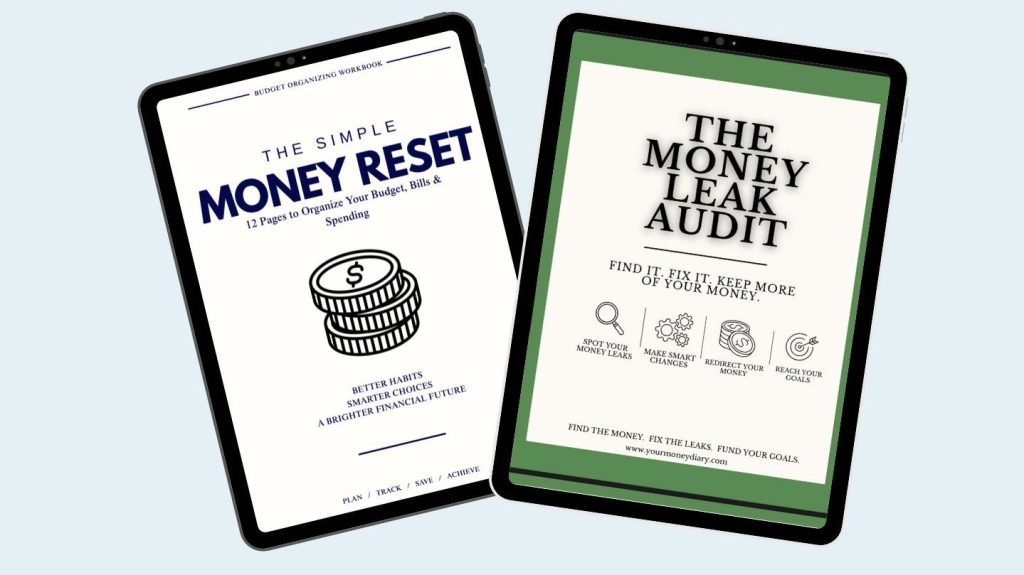
At Your Money Diary, when it comes to fixing your money leaks the goal is simple: Spot your leaks, Make smart changes, Redirect your money and Reach your goals.


Leave a Reply