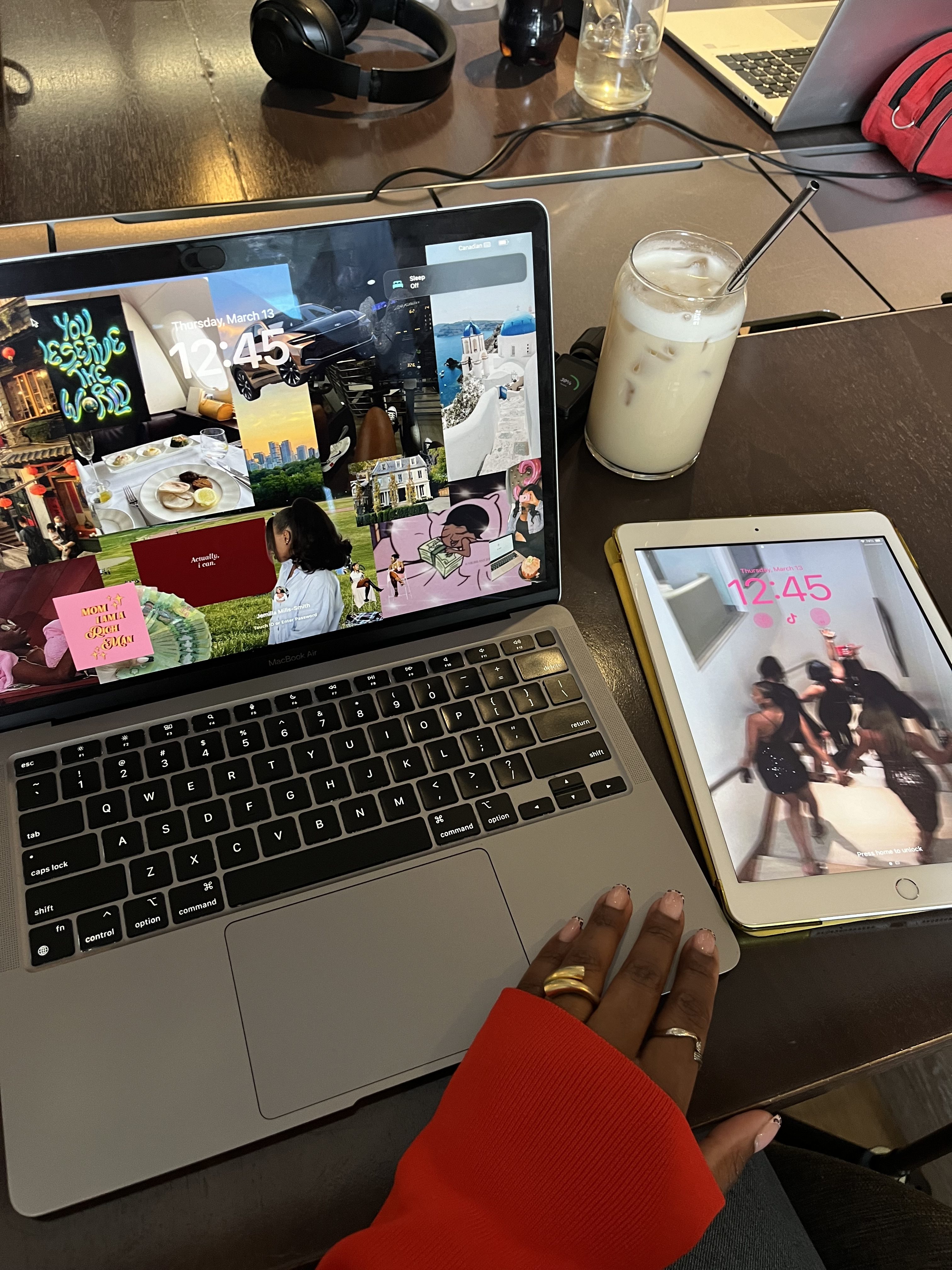
Have you ever checked your bank account and wondered where your money went, even though you haven’t made any major purchases?
Sometimes, the answer isn’t one big expense. It’s the small, everyday purchases that quietly add up over time.
A coffee here, a delivery fee there, or a subscription you forgot about might not seem significant individually. But when these expenses become regular habits, they can take up more room in your budget than you realize. The solution isn’t to eliminate every little pleasure. It’s to become more aware of where your money is going and decide which expenses are actually worth keeping.
Here are six everyday expenses worth reviewing.
1. Daily Coffee and Convenience Drinks
Your morning coffee, afternoon iced latte, or favorite specialty drink may feel like a small treat.
However, purchasing one regularly can create a noticeable monthly expense.
Example:
- $6 coffee × 7 days per week
- Approximately $170 per month, depending on the month
Money reset tip: Consider making coffee at home a few days a week while keeping your favorite cafe visits as an intentional treat. The goal isn’t to give up something you enjoy. It’s to make sure your spending reflects your priorities.
2. Food Delivery Fees and Small Order Charges
Ordering food is convenient, especially after a long day. But the actual cost of delivery can extend beyond the price of your meal.
Food delivery come with multiple fees such as:
- Delivery fees
- Service fees
- Small-order fees
- Tips
- Menu markups, where applicable
A meal that initially appears affordable can become significantly more expensive at checkout.
Money reset tip: Before placing an order, compare the final delivery total with pickup or preparing a quick meal at home. Even choosing pickup occasionally can help reduce convenience-related spending.
3. Forgotten Subscriptions and Memberships
Streaming services, premium apps, cloud storage, fitness memberships, and other recurring charges can easily disappear into the background of your monthly expenses.
The challenge is that subscriptions often renew automatically, even when you no longer use them regularly.
Money reset tip: Review your bank and credit card statements for recurring charges.
For each subscription, ask:
- Do I use this regularly?
- Does it provide enough value to justify the cost?
- Am I paying for something similar elsewhere?
- Can I pause or cancel it?
A subscription review is one of the simplest ways to identify expenses you may no longer need.
4. Impulse Purchases and Little Online Orders
A discounted item, a viral product, or a quick online purchase can feel harmless. But frequent purchases made without planning can make it harder to understand your actual spending habits.
For example, buying several inexpensive items throughout the month may create a larger total than expected.
Money reset tip: Introduce a 24-hour waiting period for nonessential purchases. Add the item to your cart, step away, and revisit it the next day. If you still want it and it fits your budget, you can make a more intentional decision.
5. Bank Fees and Avoidable Charges
Some expenses don’t provide any direct enjoyment or meaningful value.
Some may include:
- Monthly account maintenance fees
- Out-of-network ATM fees
- Overdraft fees
- Late payment fees
- Unused financial service charges
These expenses are worth reviewing because some may be avoidable.
Money reset tip: Review your account terms and statements. Ask your financial institution whether a fee-free account, different account option, or account-setting change could help you avoid recurring charges. For bills, consider payment reminders or automatic payments where appropriate, while keeping enough money available to cover scheduled withdrawals.
6. Last-Minute Purchases
Buying something at the last minute can sometimes cost more than planning ahead.
This may include groceries, household essentials, gifts, travel necessities, or items purchased because you ran out unexpectedly.
When purchases are rushed, you may have less time to compare prices, use items you already own, or find a lower-cost alternative.
Money reset tip: Create a simple weekly essentials list. Before shopping, check what you already have and identify what you genuinely need. Preparation can help reduce duplicate purchases and unnecessary spending.
The Takeaway: Small Spending Deserves Attention, Not Shame
Small expenses aren’t automatically bad expenses.
Your coffee, occasional takeout, favorite subscription, and little treats can all have a place in a healthy budget. The important thing is understanding how much you’re spending and whether those purchases align with your current financial goals. Instead of cutting everything out, start by identifying one or two spending habits you’d like to adjust. You may discover that a few small changes create more room for savings, debt payments, or something you’ve been working toward.
Remember: The goal isn’t to spend nothing. It’s to spend intentionally.


Leave a Reply