


Do you frequently look at your monthly statements and wonder where your money has gone? All your bills and expenses are covered but you seem to have little to nothing left to save. This can become a problem due to your spending habits that are left unmonitored. There are small purchases we make that affects us in the long run.
One major thing that can negatively affect your financial progress is impulse spending. Impulse spending encourages quick spending with no thought. Frequent impulse purchases can make it difficult for you to make meaningful financial progress. Luckily, identifying these patterns allows you to take action towards changing them.
What Is Impulse Spending?
Impulse spending happens when you make an unplanned purchase without taking the time to consider whether you need the item, can comfortably afford it, or truly want it.
This can be an extra item added at checkout, specialty beverage every morning before work, a limited-time sale, or deciding to order takeout instead of preparing a meal at home multiple times per week. Individually, these purchases may not seem significant but, overtime repeated unplanned spending adds up.
Several factors can trigger impulse purchases, including:
- Emotional spending: Shopping to improve your mood after a stressful day.
- Convenience: Paying extra for delivery, quick meals, or services that save time
- Social Influence: Buying things because friends, influencers, or people online have them.
- Marketing pressure: Feeling compelled to purchase something because of a discount or limited-time offer.
- Instant gratification: Wanting the immediate satisfaction of buying something without considering the longer-term financial impact.
How Does Scroll Fatigue Impact Your Spending Habits?
Scroll fatigue is the mental tiredness, overwhelm, or loss of interest you experience after spending too much time scrolling through social media, websites, or endless streams of content. This typically happens when your brain is constantly processing new information, images, videos, advertisements, trends, and opinions without getting much time to pause.
This impacts your spending habits due to constant exposure to products, lifestyle comparisons whether vacations, home, cars & clothes, trend driven spending (viral products), emotional spending. Exposure to all these things cause constant stimulation making it easier to act on impulse.
Ways to Reduce Scroll Fatigue
- Set a daily limit for your most-used apps.
- Unfollow accounts that encourage unnecessary comparison or spending.
- Turn off nonessential notifications.
- Take a break before buying something you discovered online.
- Replace some scrolling time with activities that support your goals.
5 Ways to Reduce Impulse Spending
You do not need to eliminate every enjoyable purchase or stop yourself from improving your lifestyle. The goal is to spend intentionally instead of allowing spending habits to determine your financial future.
Use a 24-Hour Waiting Rule- Before buying something you didn’t plan for, wait 24 hours. Giving yourself time to think can help separate a genuine need from a temporary want.
Remove Easy Payment Options- Saved cards, one-click checkout, and shopping apps can make spending almost effortless. Remove saved payment information and add a little friction before purchasing.
Create a “Want List”- Instead of buying something immediately, add it to a list. Review the list later and ask yourself whether you still want or need each item.
Set a Fun-Spending Limit- Give yourself a specific amount each month for non-essential purchases. Having a defined spending limit lets you enjoy discretionary spending without letting it take over your budget.
Track Your Impulse Purchases- Write down every unplanned purchase for a month—including small purchases. Look for patterns in what you’re buying, when you’re buying, and why. Awareness can make it much easier to change the habit.
How To Perform A Simple Spending Audit
If your finances feel disorganized, start with a simple monthly spending audit.
Step 1: Review. Gather your bank statements, credit card transactions, and recent bills.
Step 2: Categorize. Group your spending into essentials, financial obligations, savings, and discretionary purchases.
Step 3: Identify patterns. Highlight repeated impulse purchases, unused subscriptions, convenience expenses, and lifestyle upgrades that may be affecting your budget.
Step 4: Calculate the impact. Estimate how much these expenses cost you each month and over a year.
Step 5: Make a plan. Choose a few realistic changes and decide where the recovered money will go.
Keep your approach simple. You do not need to change every habit at once. Start with the expenses that are easiest to adjust and make a meaningful difference to your financial priorities.
Take Back Control of Your Spending
Impulse spending can make it difficult to recognize whether your financial situation is actually improving. The solution is not to feel guilty about every purchase or deprive yourself of the things you enjoy. It is to understand your spending habits, recognize what is no longer serving you, and make intentional decisions about your money.
Start by looking at where your money goes today. Identify the expenses you can reduce, the habits you want to change, and the goals you want your money to support.
Your money should reflect your priorities, not just your habits.
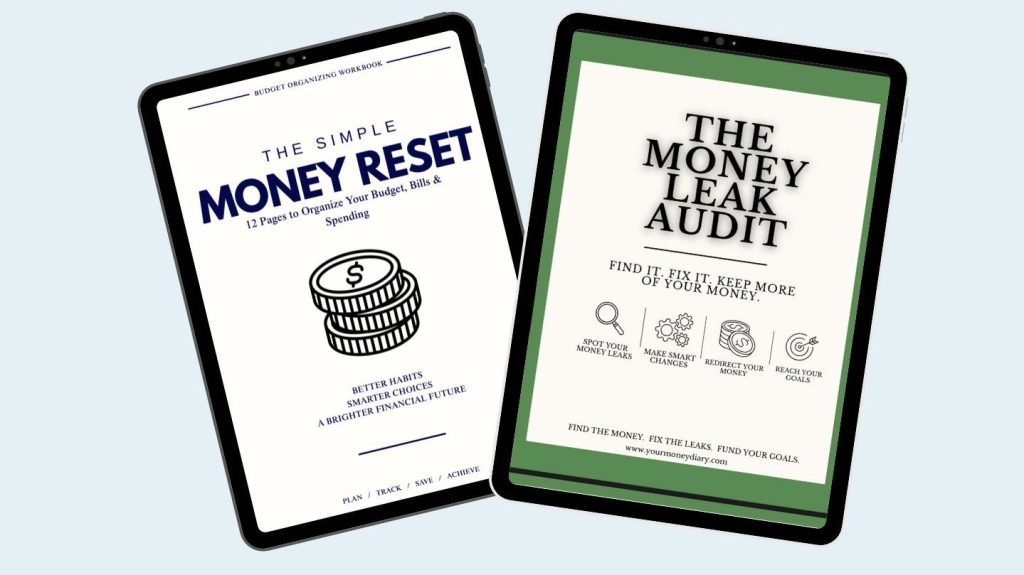
If you are ready to get organized, our Money Leak Audit can help you gain more clarity on your spending habits, triggers, savings, and debt to help you can make more intentional financial decisions.
Audit your Money Leaks HERE


Leave a Reply